
Being self-employed in the Philippines gives freedom, but it also comes with paperwork challenges. Many believe that without a traditional employer, it is hard to present solid proof of income for self-employed Filipinos. This concern often comes up when applying for a quick loan, a credit line, or a rental agreement. In reality, lenders now accept many different types of proof. These include ITRs, bank statements, and even a self employed proof of income payslip. Digital receipts, payment histories, and simple income declarations are also commonly accepted. The key is that these papers clearly reflect your regular cash flow and show that money is coming in consistently. Start small by saving just one month's records today.
Key Takeaways (What You Need to Know Fast)
- There are several recognized proof of income documents for self-employed workers. These options are designed to match the realities of gig work, freelancing, and small businesses.
- A traditional proof of income payslip isn’t required. Alternatives such as bank statements, invoices, and ITRs are widely accepted by digital lenders.
- A payslip certified true copy is helpful when you work through an agency or have a long‑term client paying you fixed monthly fees. It is not strictly required for many online or microfinance lenders but it adds an extra layer of trust.
- Keeping clear records helps you qualify for financial products and services faster.
- Lenders offering fast cash or small personal loans often focus more on the stability and frequency of your deposits. They care less about having a single “perfect” proof of income document. When they see steady inflows, even if the amounts vary, they can still assess your average income and risk level. This approach works well for seasonal businesses too.
- If you later want a loan, you can compare MFIs on our site and apply for a self employed proof of income–friendly préstamo that fits your irregular schedule.
These points highlight how flexible modern lenders have become. This is especially true for Filipinos in Metro Manila or provinces relying on apps like Maya or Shopee for income. Even rural entrepreneurs using just one bank account can qualify now.
Main Types of Proof of Income
Self-employed workers do not receive employer-issued payslips. Instead, they use other documents to show their earnings. Below are the most commonly accepted forms of self-employed proof of income in the Philippines. These documents are often required for short-term cash loans. They may also be needed for buy-now-pay-later services. Small business financing often requires them as well. Digital lenders and MFIs often design their processes around these kinds of documents. Start gathering 3-6 months of data to show patterns that reassure underwriters.
Income Verification Table (Most Accepted Documents)
|
Document
|
Accepted By
|
Best For
|
|
Latest Income Tax Return (ITR)
|
Banks, embassies, property lessors, government offices
|
Strong, formal proof of annual income. Ideal for big loans or visas
|
|
Bank Statements
|
MFIs, digital banks, credit apps
|
Quick loans, BNPL, card approvals. Shows real-time cash flow
|
|
Invoices & Receipts
|
Online lenders, freelance platforms, marketplaces
|
Daily/weekly income verification. Perfect for gig workers
|
|
Proof of income payslip / certified true copy
|
Agencies, employers of record, some banks
|
Salary-style income, agency-based freelancers. Mimics employee docs
|
|
Profit & Loss Statement
|
Banks, accountants, serious business lenders
|
Business income summary, SME loans. Nets out expenses
|
|
Pension or trust fund statements
|
Banks, government agencies, retirement products
|
Stable income proof, senior loans, pension‑backed products
|
|
Court-ordered payments
|
Legal offices, banks
|
Child support, alimony, other mandated payments
|
Payslip or Income Certificate
Many self-employed Filipinos do not get a classic company payslip. Still, they can prepare a simple self-employed proof of income payslip. This document shows your usual monthly earnings in a clear format. It acts as an income summary and usually includes:
- Monthly or bi-weekly earnings
- Client, platform, or agency name
- Payment period
- Gross amount,
- Basic deductions
- Net income amount you actually receive into your bank or e‑wallet
If you work under an agency or an employer of record, ask for help from HR or payroll. They may issue a payslip certified true copy to strengthen your application. It is especially helpful for bank loans or long-term rentals. Templates are available online for quick setup.
Independent freelancers have other options: a signed income certificate or self-declaration can work. These should be supported by bank statements or platform income reports. Together, they form a practical proof of income sample for self employed borrowers.
Best for: lenders that prefer fixed monthly numbers.

Income Tax Return (ITR)
For business owners and professionals, the latest ITR is highly trusted. It is one of the strongest proof of income documents in the Philippines. It shows your declared income and provides an official record recognized everywhere. Forms like BIR 1701 or 1701A summarize your earnings and deductions. They help lenders see your annual income clearly.
ITRs are commonly requested for:
- Bank loans
- Visa and travel applications, embassy requirements
- Long-term rental applications
- Business credit
If you are not yet registered, getting a BIR Certificate of Registration (Form 2303) makes the process easier. Filing ITRs regularly also helps you qualify for higher loan amounts later. This is because you appear more established and transparent to lenders. When needed, you can request a certified true copy of your ITR. This is done at your Revenue District Office. A certified copy is useful for visa, mortgage, or bigger business loan applications.
Bank Statement
For many quick cash and online loan products, a recent bank statement is the simplest and reliable self employed proof of income. It reflects real earnings through deposits, transfers, and savings behavior. Multiple small deposits work just as well as large ones.
To estimate how much you can comfortably repay every month, lenders typically review:
- Frequency of deposits
- Consistency of income over 3-6 months
- Average monthly balance (aim for steady growth)
Most digital banks and e‑wallet–linked banks let you download statements directly from their apps. You can then upload these to a loan portal in just a few taps. If you mainly use GCash, Maya, or another wallet, consider routing payouts through a connected bank account for several months. This makes documenting your cash flow easier. It also makes your income more convincing to traditional lenders.
Self-Employed or Freelancer Records
Many freelancers, ride‑hailing drivers, delivery riders, and online sellers do not use payslips. Instead, they rely on daily or weekly transaction records as a proof of income sample for self employed, including:
- GCash/Maya receipts from client payouts
- PayPal transfer history for international gigs
- Invoices and order confirmations from Shopee/Lazada
- Contracts or project summaries from Fiverr/Upwork
Many borrowers organize these records by compiling a simple spreadsheet. This shows the date, client or platform, and amount received. They then match this list against bank or wallet deposits. Adding copies of contracts, booking histories, or order summaries makes the proof stronger. It reassures lenders that payments are recurring, not one-time windfalls.
Profit and Loss Statement
A Profit and Loss statement shows operational income minus expenses. It gives lenders a clear view of real profit. Even a basic P&L listing monthly sales, cost of goods, rent, utilities, and net profit is often enough for smaller business loans and supplier credit. You can create such statement yourself using a spreadsheet. However, a signed accountant version adds trust and complies with BIR standards.
A Profit and Loss statement summarizes your business income, expenses, and net profit. Even a simple spreadsheet can work, though a signed version from an accountant is stronger. It is perfect for small business owners and online sellers. Or anyone with irregular income who wants to highlight profitability.
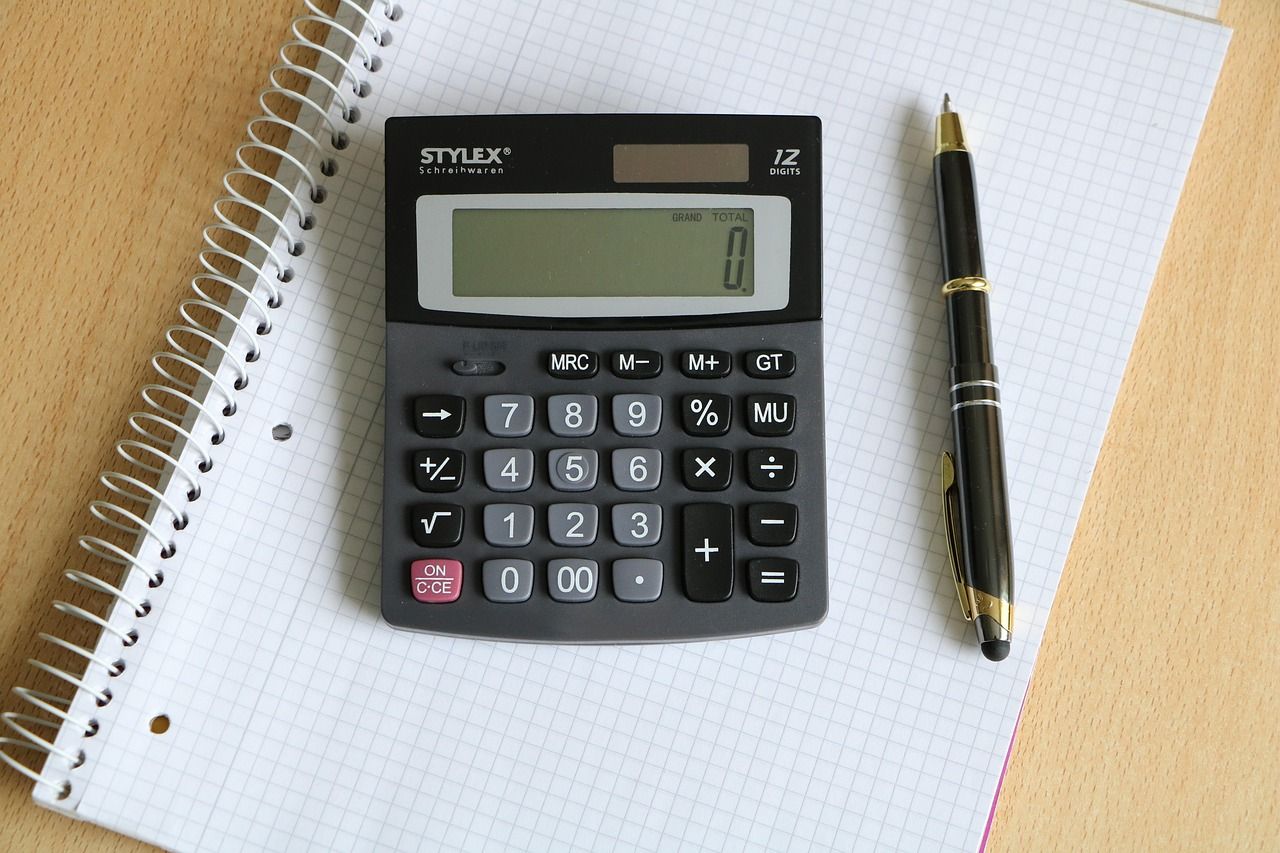
Court-Ordered Payments
Regular income from court‑ordered arrangements, such as child support or alimony, can also count toward your total income for a loan. To use these payments as proof, lenders usually want to see:
- Court documents outlining the order;
- Bank deposit proofs showing receipts;
- Payment schedules or history logs.
Attach deposit receipts or formal documents for verification.
Combining court-ordered receipts with business or freelance income can help.This approach may allow you to meet minimum income requirements. This is useful for single parents or guardians who rely on support payments as a significant part of their monthly budget. It blends those payments into your overall proof package.
Pension or Trust Fund Statements
For seniors and early retirees, pension or trust payouts can serve as stable proof of income. This applies even without an active employer. Monthly statements from SSS, GSIS, or private pension and trust accounts show regular deposits. Banks and microfinance institutions are used to evaluating these.
These statements are often accepted for smaller personal loans, credit cards, and even top‑ups to existing facilities. They are especially useful when combined with basic identification and proof of billing. Some lenders may request an Annual Confirmation of Pensioners. Other documents may be asked to confirm the benefits are still active.
Useful for:
- Senior applicants seeking emergency cash
- Retirees topping up SSS pensions
- Individuals with non-employment-based income streams
Conclusion
For self-employed Filipinos, income proof is not about having an employer. It is about showing clear and consistent records. These records should reflect real monthly cash flow. Freelancers, sellers, consultants, and gig workers all have options. Most can prepare documents that satisfy quick-loan providers. Banks and lenders focus on clarity and consistency. Common examples include ITRs, bank statements, invoices, and digital wallet records. A proof of income payslip may also be used where appropriate.
If you're planning to apply for a préstamo, you can compare MFIs on our website. Choose a lender that accepts different types of proof of income for self-employed Filipinos. This makes the process faster, clearer, and more flexible for your situation.
Terms
About the organization
Terms
About the organization
Terms
About the organization
Terms
About the organization
FAQs
What’s the easiest proof of income for self-employed Filipinos?
For many borrowers, the easiest option is a recent bank statement and digital payment histories. These show steady deposits. You can download them directly from apps without visiting a branch.
Do lenders require an ITR?
Not always. Many online lenders, MFIs, and app‑based credit providers accept alternative proof of income documents. Examples include GCash or PayPal records, platform earnings reports, and simple income declarations.
Can I submit a self-made payslip?
Yes – a generated proof of income payslip is widely accepted. Especially if the figures match your bank deposits and, when possible, are certified by a client, agency, or accountant.
Are variable incomes accepted?
Yes. Most lenders focus on overall consistency and total monthly average income. So variable earnings are usually acceptable as long as deposits are regular and supported by documents.
What if I don’t have formal records?
Start collecting invoices, payment screenshots, and deposit slips now. Then organize them into a simple record. This can act as a proof of income sample for self employed. Use it while you work toward filing ITRs and building a stronger paper trail.